2026-06-12
AI Plant Growth Product Video: A Four-Step Keyframe Workflow
Create a product video where plants grow from sparse to lush around packaging using AI image generation, color direction, cleanup frames, and image-to-video.
Try this workflow in Naviya
Start from a finished image when the subject, style, or composition should stay stable.
Animate a still image
Plant growth is a powerful product video metaphor. It can suggest renewal, hydration, natural ingredients, sustainability, self-care, or transformation. When a product sits beside a branch, moss, flower, or vine that grows from sparse to lush, the viewer understands the benefit without needing a long explanation.
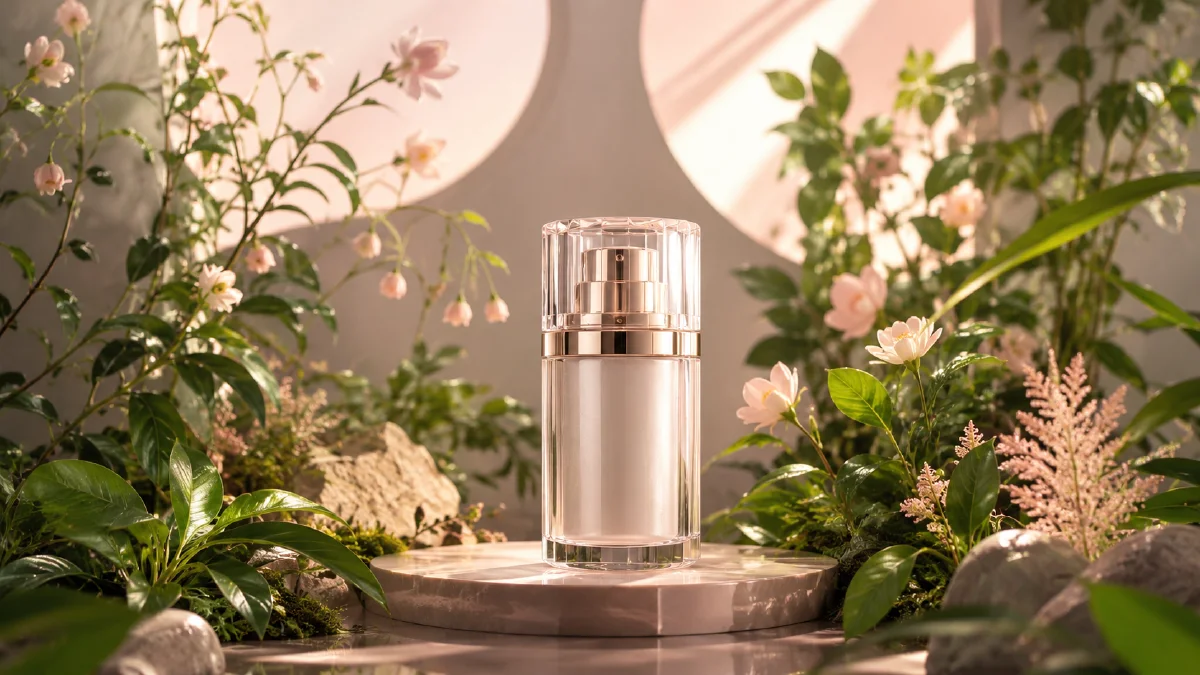
The practical definition: an AI plant growth product video is a keyframe-driven clip where a simple product scene becomes more botanical over time. The first frame is restrained; the final frame is fuller and more expressive. The video model interpolates the growth between those two states.
If you need a broader still-to-motion framework, use the image to video workflow guide. For product scene setup, read AI product scene generation. For controlling what should change and what should stay locked, pair this with the reference to video guide.
Why keyframes matter
Text-only prompts can describe growth, but they often change the product, background, or composition. Keyframes give the model a clearer path:
- First frame: product plus minimal branch or simple base.
- Last frame: same product and composition, with rich plant growth.
- Motion prompt: plants grow from the branch while the product stays stable.
This is especially useful for beauty, wellness, tea, fragrance, and natural packaging visuals. The product can remain readable while the surrounding environment carries the transformation.
The four-step workflow
| Step | Goal | Output |
|---|---|---|
| 1. Product scene | Create the lush final scene | Product with plants, moss, or flowers |
| 2. Color direction | Align the visual with brand mood | Harmonized palette |
| 3. Sparse keyframe | Remove plants while preserving product | Clean first frame |
| 4. Motion generation | Animate growth between frames | Final product video |
Step 1: create the full botanical scene
Start by generating the richer final frame. This frame defines the endpoint of the growth. A skincare tube, supplement jar, beverage bottle, or home fragrance product can sit on a moss-covered branch or clean tabletop with plant material around it.
Prompt template:
Product photography of a premium skincare cream tube with a clean green label,
standing on a moss-covered branch against a clean white background.
Soft natural lighting, high-resolution commercial photography, detailed product texture,
fresh botanical mood, refined wellness brand aesthetic.
Composition is centered with enough empty space around the product.
Adapt the product details to your category. A fragrance might use translucent petals and glass reflections. A tea product might use leaves and steam. A wellness supplement might use herbs, roots, and clean morning light.
The important part is product readability. If the plants cover the packaging, the video may look beautiful but fail commercially.
Step 2: set the color system
After you have a strong image, direct the color palette. This step makes the piece feel like a brand asset rather than a random nature scene. You might want a warm red-brown mood while preserving green moss, or a cool mint palette with silver highlights.
Color prompt example:
Adjust the product scene into a restrained red-toned brand palette.
Keep the moss and small leaves naturally green so the botanical details still feel fresh.
Do not change the product shape, camera angle, background, or composition.
Keep saturation controlled and premium.
Color direction is also a way to separate brands that use similar natural ingredients. Two botanical skincare products may both use leaves, but one can feel clinical and pale while another feels warm, earthy, and sensual.
Step 3: create the sparse starting frame
Now build the first frame. Use the full botanical scene as the visual base, then remove the plants, flowers, or moss while keeping the product, branch, lighting, and background unchanged.
Prompt template:
Remove the plants, flowers, and moss from the scene.
Keep only the branch, the product, and the clean background.
Preserve the same camera angle, product placement, lighting, shadow, and color palette.
Do not change the packaging design or product proportions.
This sparse frame is the seed state. It does not need to be empty; it just needs enough contrast with the final frame for growth to read clearly.
Review both keyframes side by side:
- Is the product in the same position?
- Is the camera angle the same?
- Is the background consistent?
- Does the final frame add growth without hiding the product?
If the two frames do not match, regenerate before moving to video. Video models can interpolate motion, but they cannot reliably fix composition mismatches.
Step 4: animate the growth
Upload the sparse frame as the first frame and the lush frame as the last frame. Keep the motion prompt focused:
Plants and moss grow gradually from the branch around the product.
Small leaves unfold and spread naturally while the product remains perfectly stable.
The camera is locked with a subtle premium product-video feel.
Growth is smooth, elegant, and realistic.
No product distortion, no packaging change, no extra objects.
If the model moves the product, add stronger constraints:
The product stays fixed in the exact same position and shape for the entire clip.
Only the plants, moss, and small leaves change over time.
If the plants grow too fast, request a slower pace:
Slow botanical growth over the full duration, no sudden blooming, no explosive motion.
Prompt variations by product category
| Product | Growth style | Visual cues |
|---|---|---|
| Skincare cream | Moss, leaves, soft flowers | hydration, renewal, gentle nature |
| Herbal supplement | Roots, vines, herbal leaves | potency, ingredients, earth |
| Tea drink | Leaves, steam, dew | freshness, calm, morning ritual |
| Fragrance | Petals, mist, translucent botanicals | elegance, sensory memory |
| Home care | Clean leaves, water droplets | purity, safe environment |
The botanical material should match the claim. A luxury night cream may not need wild vines. A garden-inspired fragrance may need petals and mist more than moss.
Editing and finishing
This type of clip works well as a hero shot in a larger ad. Pair it with:
- A clean product hero still.
- A texture close-up, such as cream, gel, liquid, or powder.
- A user ritual shot.
- A final frame with product and short benefit copy.
If you are building a full campaign, review AI beauty product video ads and AI video generator for social ads for additional ad structures.
When this effect works best
The plant-growth transition is strongest when the product benefit has a natural connection to renewal. It works for hydration, botanical ingredients, self-care, garden-inspired fragrance, sustainable packaging, and wellness rituals. It is weaker when the product has no relationship to nature, because the growth can feel decorative rather than meaningful.
Use the effect as one premium moment inside a larger campaign rather than as the only idea. A good cut might open with the sparse frame, show the growth, cut to a texture or ingredient close-up, then return to the final lush product hero. This gives the viewer both metaphor and product proof.
Try it in Naviya
Create the lush and sparse frames in Naviya Image Generator, then animate the two-frame transition in Naviya Image to Video. For stricter package consistency, use Naviya Reference to Video with the product image as the reference and ask the motion to affect only the surrounding plants.
Quality checklist
Before using the clip, verify:
- Product shape and label area remain stable.
- Botanical growth is visible but not chaotic.
- Plants do not cover important packaging details.
- Lighting and background stay consistent from start to finish.
- The final frame can stand alone as a product hero.
- The video feels aligned with the brand category, not just decorative.
The best plant growth videos are not about showing the most growth possible. They are about making transformation feel believable and desirable while keeping the product at the center. With a clean keyframe pair and a focused motion prompt, AI can turn a simple product image into a polished botanical brand moment.