2026-06-12
AI Product Scene Generation for Localized Ecommerce Campaigns
Use AI product scene generation to create localized ecommerce lifestyle images for different markets while keeping the product consistent and credible.
Try this workflow in Naviya
Use references when identity, product shape, outfit, or style needs to stay consistent.
Try reference to video
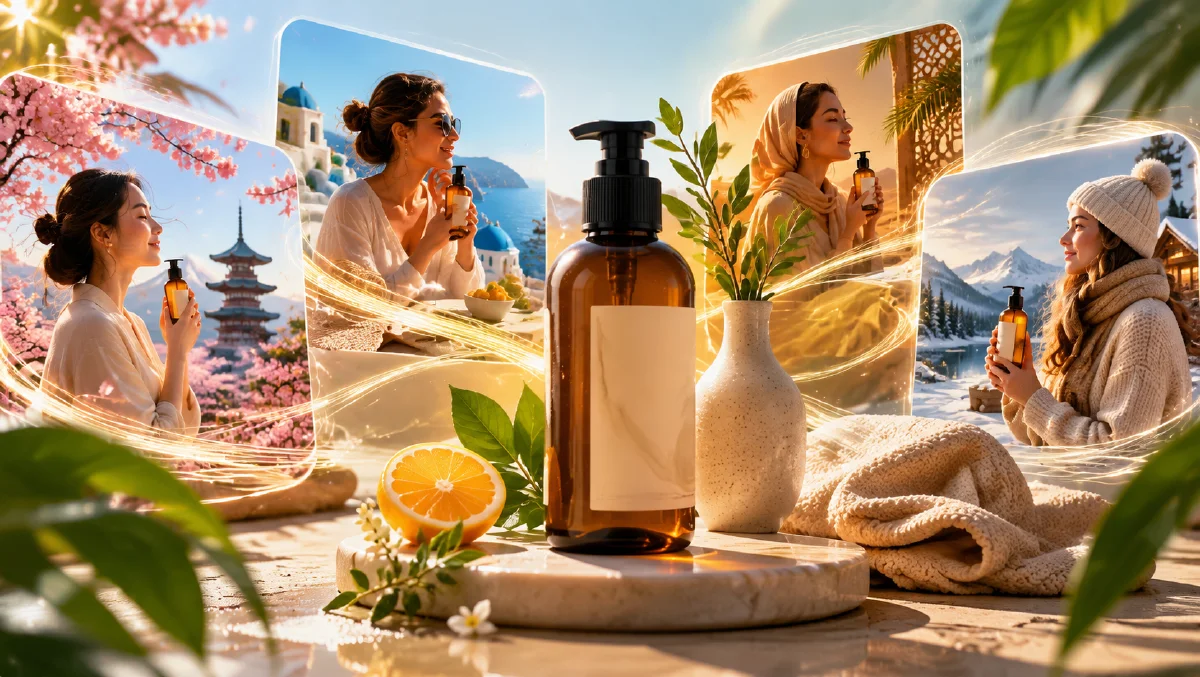
AI product scene generation is especially useful for cross-border ecommerce. A product that sells in one market may need a different visual context in another. The same diffuser, skincare bottle, lamp, chair, or wellness accessory can belong in a Paris salon, a Japanese apartment, a Southeast Asian night market, or a Middle Eastern living room. Shooting all of those scenes in real locations is expensive. Generating them from one product reference is much faster.
The risk is that localization becomes decoration. Adding a random cultural object behind the product is not the same as creating a believable market-specific scene. Good localized ecommerce images preserve the product while adapting environment, light, styling, and emotional setting to the audience.
Use Naviya AI Image Generator when you want to test still product scenes quickly. The product reference should stay central, and the scene should explain where the product fits in a real buyer's life.
Start with the market, not the background
A localized scene should answer a market question:
- Where would the product naturally be used?
- What interior style does the audience recognize?
- What lighting feels aspirational but believable?
- Which props support the product category?
- Which cultural elements are specific enough without becoming costume-like?
For an essential oil product, a French luxury spa scene communicates refinement. A Japanese home scene may communicate calm and restraint. A Thai street-market scene may communicate warmth, color, and sensory richness. A Middle Eastern home scene may communicate hospitality, texture, and premium domestic comfort.
Those are different emotional jobs. The prompt should describe the job, not just the country.
Prepare the product reference
The product image should be as clean as possible:
| Product input | Why it helps |
|---|---|
| White or light gray background | Easier product isolation |
| High resolution | Better edges and texture |
| Clear front angle | Preserves brand-facing shape |
| Minimal shadows | Lets the new scene relight naturally |
| No clutter | Reduces accidental object transfer |
If the product has a readable label, treat it carefully. Many image models are weak at exact text. Use the generated scene to establish composition and lighting, then add final text or label details through a controlled design or retouching step.
Write prompts with scene layers
A strong product-scene prompt has layers: product, placement, environment, cultural context, lighting, camera, and constraints.
Create a localized ecommerce lifestyle image for the provided essential oil bottle.
Product: preserve the exact bottle shape, cap color, label area, glass material, and scale.
Placement: bottle on a small tray in the foreground, easy to see, occupying about 35 percent of the frame.
Market scene: premium French wellness salon, warm stone counter, folded linen towel, subtle floral arrangement, refined spa atmosphere.
Lighting: soft window light from the left, gentle highlights on glass, realistic shadow under the bottle.
Camera: eye-level product photography, shallow background depth, clean commercial composition.
Constraints: do not change product shape, do not invent readable label text, avoid clutter, no extra duplicate bottles.
This structure works across regions. Replace the market scene layer while keeping product and constraints stable.
Use cultural detail with restraint
Localized ecommerce images should feel researched, not exaggerated. One or two specific environment details are usually enough. Too many symbolic objects can make the image feel artificial.
Better:
Japanese minimal apartment, low wooden table, neutral ceramic tray, linen curtain, soft morning light, quiet wellness mood.
Weaker:
Japanese scene with every traditional object, dramatic temple background, cherry blossoms, calligraphy, kimono, lanterns, and tea ceremony elements.
The second prompt may generate a beautiful picture, but it can feel like a tourism poster instead of a believable product image.
Build a localization matrix
For campaign planning, create a simple matrix before generating:
| Market | Scene | Mood | Product placement |
|---|---|---|---|
| France | Salon or boutique spa | refined, premium, calm | tray, marble, linen |
| Japan | Minimal home | quiet, precise, natural | low table, ceramic, wood |
| Thailand | Outdoor evening or market-inspired table | warm, sensory, social | foreground counter, practical props |
| Middle East | Elegant home interior | hospitable, textured, premium | side table, warm textiles |
| United States | Clean home bathroom or kitchen | practical, bright, direct | shelf, counter, easy scale |
This keeps the creative system organized. It also helps a team compare which markets need product-page images and which need ad-first lifestyle imagery.
Keep product consistency across scenes
When making multiple market variants, repeat the product protection language every time. AI may preserve the product well in one scene and drift in another because the background becomes visually dominant. A dark luxury room, busy market, or reflective bathroom can all pull the model away from the product reference.
Protect:
- Product silhouette.
- Product color.
- Cap, button, spout, handle, or lid shape.
- Material finish.
- Relative scale.
- Front-facing label zone.
- Number of products in frame.
If one market variant changes the product, do not accept it because the scene is beautiful. Regenerate with a simpler background and stronger product placement.
Turn still scenes into motion carefully
Localized product scenes can become short ads. A still French spa image may become a slow light sweep. A Japanese home scene may become a gentle camera push. A market-inspired image may become a subtle steam or evening-light movement.
Use Image to Video only after the product-scene still is approved. For broader campaign cuts, use AI Video Ads and keep the product visible in the first second. The ai product photography to video guide is useful when the product must remain accurate during motion.
For ecommerce teams creating both stills and clips, the ecommerce product video AI guide can help separate calm product-page motion from more assertive social ad motion.
Business use cases and guardrails
Product scene generation is most valuable when the team needs more context without scheduling a shoot. Useful cases include marketplace localization, seasonal campaign refreshes, landing page headers, paid social variants, email visuals, and retailer-specific image packs. In each case, the scene should answer a buyer question: where does this fit, who is it for, how large is it, what routine does it support, or why does it feel premium?
Set these guardrails before generating:
- Keep one approved product reference as the anchor.
- Define the buyer occasion in plain language.
- Change one scene variable at a time: region, room, weather, season, or persona.
- Remove props that imply unsupported features.
- Review the product at thumbnail size and full size.
For furniture and home goods, pair the method with furniture product scene images. For apparel or accessories, build model and angle references before placing the product into motion. For social ads, convert only the strongest scene into Image to Video or AI Video Ads.
The key is to keep scene generation tied to a commercial decision. If a visual will not help a shopper understand the product, compare options, or imagine ownership, it is probably decorative rather than useful.
Try it in Naviya
In Naviya, upload the clean product image first, then create a small set of localized scenes by changing only the market-scene layer. Keep the product constraints identical across variants. Once a scene passes QA, animate the strongest one for a product page or adapt it into a short regional ad.
AI product scene generation works because it lets ecommerce teams localize visual context without losing the product. The best results do not shout a country name. They show a believable place, a clear product, and a buyer moment that makes sense for that market.